Japanese tea can look like a closed club. Special bowls, exact temperatures, words you've never heard. It's enough to make you just buy a teabag and give up.
Don't. At its heart, Japanese tea is leaves and hot water — that's it. Everything else is refinement you can add later, whenever you feel like it. This guide takes you from zero to a genuinely good cup, using whatever you've got in the kitchen right now. No ceremony required.
1. The Types Worth Knowing
Almost all Japanese tea is green tea — same plant (Camellia sinensis), different handling. You don't need to learn them all today. Here are the four names that actually matter when you're starting out.
Sencha — the everyday one
The most popular green tea in Japan, and the one you'll meet in most Japanese restaurants. Fresh, bright, a little grassy. If you only try one, make it this.
Hojicha — the easy one
Honestly, this is the most beginner-friendly tea there is. It's sencha that's been roasted until brown, so the grassy edge disappears and you get something warm, nutty, almost caramel-like instead. It's also very low in caffeine, so you can drink it at night. If you've tried green tea before and found it "too much like grass," hojicha is your reset button.
Genmaicha — the comforting one
Green tea blended with toasted brown rice. Nutty, toasty, and easy to love. The rice softens any bitterness, which makes it very forgiving for a first-timer.
Matcha — the powdered one
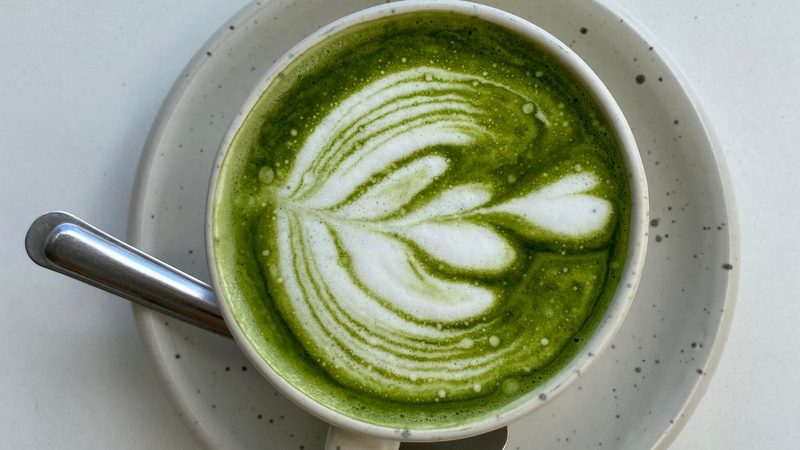
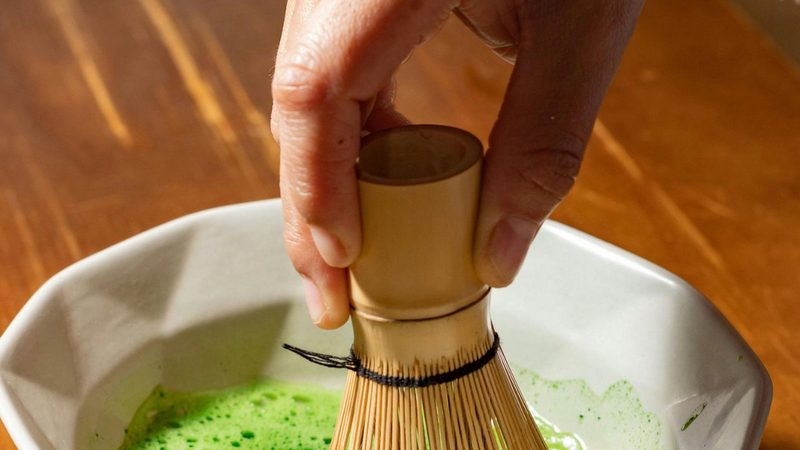
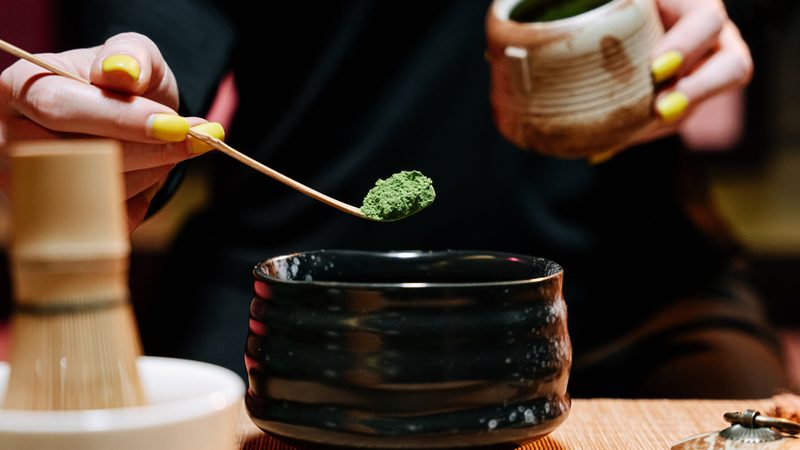
Shade-grown leaves ground into powder, whisked into water instead of steeped. It's a bit more involved, so meet it once you're comfortable with the basics. (There's a whole separate guide for that.)
2. The Tools You Actually Need
Here's the honest truth: you can start with almost nothing.
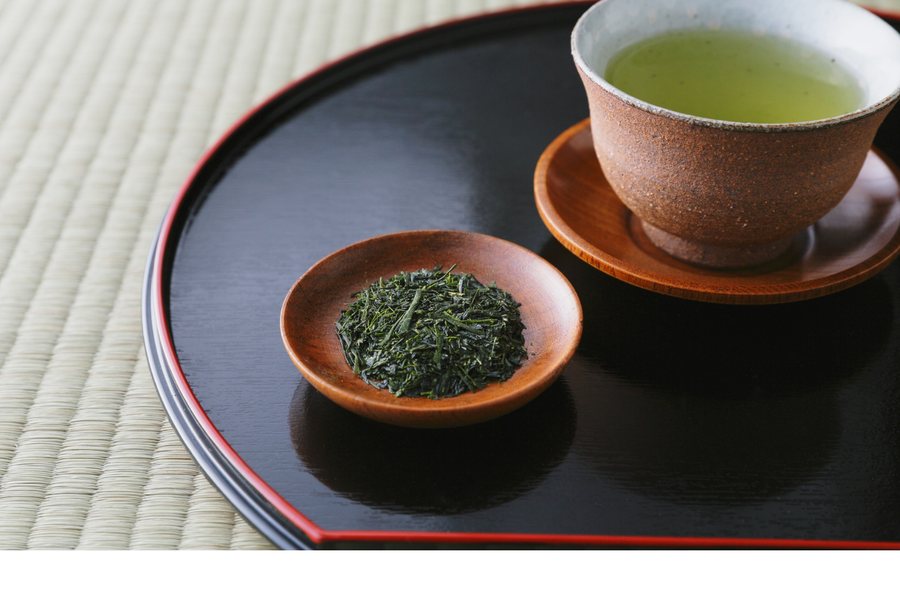
Truly essential: tea leaves, hot water, and something to brew in. A small teapot is ideal, but an infuser, a clean French press, or even a mug and a mesh strainer will do in a pinch.
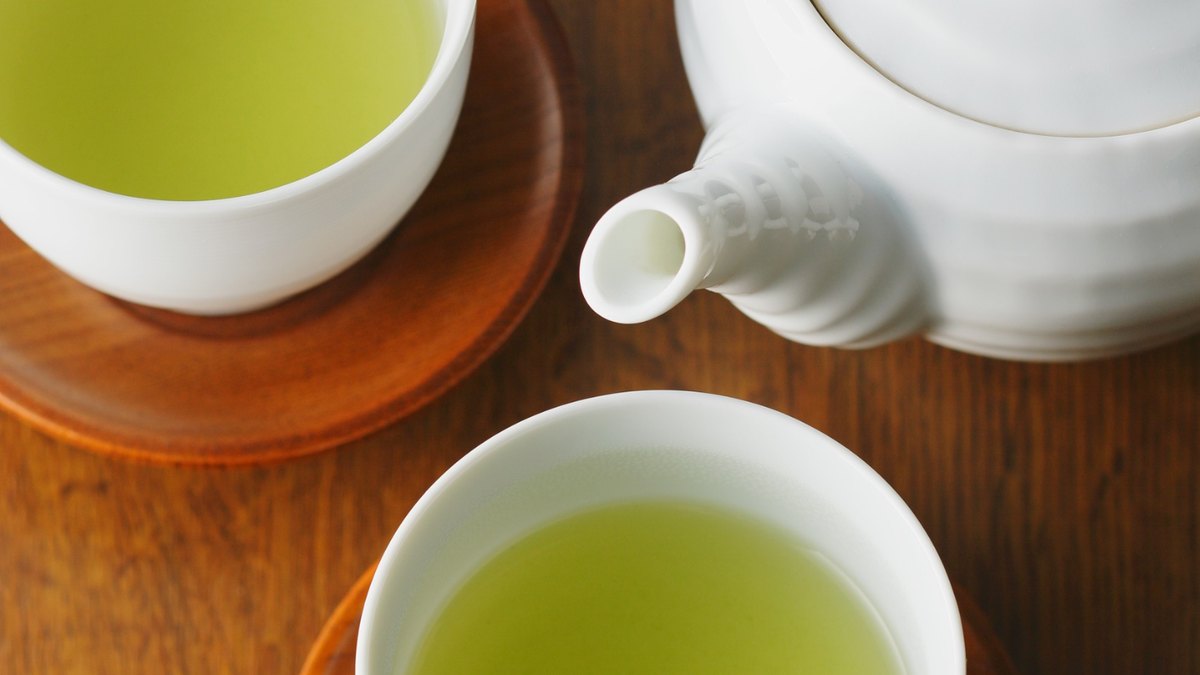
Nice to add later: a Japanese kyusu (a side-handle teapot with a built-in mesh filter — it's genuinely lovely to use), a small cup, and maybe a kitchen scale. That's it. Don't let anyone tell you you need a full set to make good tea. You don't.
3. How to Brew Your First Cup
This is the method for sencha. Nail this and you can brew almost any Japanese green tea.
Step 1 — Cool the water down
This is the single most important thing in the whole guide, so let me say it plainly: don't use boiling water. Japanese green tea hates it. Boiling water releases a flood of catechins, and that's what makes your tea bitter and harsh. You want around 70–80°C (158–176°F) instead.
No thermometer? Here's the classic trick: pour your just-boiled water into the cup first, then into the teapot. Pouring it into a cold cup drops the temperature by roughly 10°C and warms your cup — and bonus, it measures out exactly the right amount of water at the same time. Simple, but it changes everything.
Step 2 — Add the leaves and water
Use about a teaspoon of leaves per cup. Pour your cooled water over them.
Step 3 — Wait, then pour every drop
Steep for about 60 seconds. Then pour it all out — don't leave the leaves sitting in water, or your next cup turns bitter. And good news: you can re-brew those same leaves. Japanese greens are usually good for three infusions. The second only needs a few seconds; the third, around 30–45 seconds.
One more thing — if you opened your packet and found powder or tiny broken bits instead of whole leaves, don't panic. Green tea comes in a few shapes, and each is brewed a little differently. Here's the full breakdown: Powdered vs. Leaf Green Tea: How to Brew Each One.
4. Temperature & Time Cheat Sheet
Keep this nearby. When in doubt, go cooler and shorter — you can always brew it again.
Sencha: 70–80°C, about 60 seconds. Hojicha: hot, near-boiling is fine, about 30 seconds. Genmaicha: hot, around 90°C, 30–60 seconds. Gyokuro (for later — it's the fancy one): very cool, 50–60°C, about 2 minutes. Matcha: around 80°C, whisked, no steeping.
As an Amazon Associate, MAISON YUKI earns from qualifying purchases, at no extra cost to you.
5. The Mistakes Everyone Makes First
If your tea tastes off, it's almost always one of these — and every single one is an easy fix.
Water too hot. The number one culprit. Cool it down first. Steeped too long. Pour it all out on time; don't let the leaves soak. Too many leaves. Start with a teaspoon per cup and adjust from there. Old tea. This one surprises people — green tea fades fast, much faster than other teas. Buy small amounts, keep them sealed, and store them away from light, heat, and air. And if you can, use filtered or soft water; hard tap water can mute the delicate flavours.
6. Where to Go From Here
That's genuinely everything you need to start. So go brew a cup of sencha today — cooler than you think — and taste it.
Once that feels easy, try hojicha in the evening. Then, when you're curious, meet matcha. There's no rush and no test at the end. Tea rewards patience, not perfection.